
The heirs of Jack Kirby took a huge hit last week when a judge in New York ruled against them. The determination that all of Kirby’s creations were protected by a 1909 Work-for-Hire copyright law insured that those creations remained the property of Marvel/Disney.
 Many had hoped for a different outcome that would have seen aged comic creators and the heirs of deceased comic creators finally enjoy at least some substantial reward from the works that made fortunes for the comic companies that exploited them.
Naturally there is outrage from supporters of the creators, fans who appreciated the talent and creativity of the people that created the iconic characters that we have all grown to love and which have become ingrained in the fabric of the medium and popular culture worldwide.
Folks with less of an emotional investment in the history of the medium seem more than willing to side with the comic book companies siting their investment, risk and marketing expertise as the reasons those institutions have earned and deserve the windfalls derived from these same works.
The discussion gets heated because both sides are right, not just from their own perspective but from the dial of the moral compass as well where choices were made and agreements established in a time where no-one could have anticipated the longevity of the properties and the monumental successes to be derived.
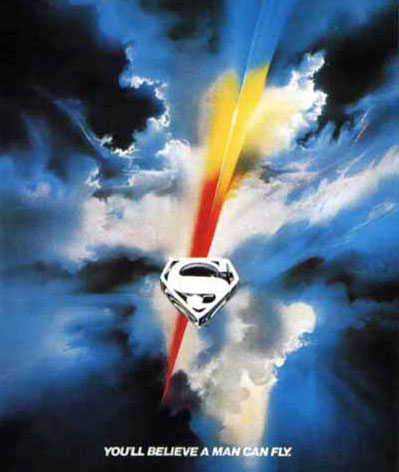 The true long-term potential of comic book characters and how it may affect the coffers of the comic book creators did not seem to be such an issue until the technology in film developed to the point where we all believed that a man could fly. The first Superman movie opened the doors for the comic book blockbuster and ignited the first significant challenge from the creators of the character that had sold their rights away decades prior. Over thirty years later that battle is still not completely resolved and may never be.

The problem stems from how the business of comic books was done from its inception in the age of the Great Depression. Young, hungry artists signed away their work happily just to have a job and be able to feed their families. Most artists looked at comics as a mere stepping stone into the more revered fields of advertising, illustration and design. Many used pseudonyms to ensure that they would not be stereotyped by their work in comics which was not considered with high esteem at the time. Those that left comics for the more reputable work rarely looked back.
By the mid sixties Marvel had created an atmosphere where creators began to feel like they could have a career in comics and enjoy it. With Marvel’s success came contracts, benefits, and enough work to be able to depend on and DC soon followed suit.
The notion of Work-for-Hire, however, remained the norm and, for the Big Two, generally remains the same today especially regarding the characters that are the staple trademarks of each company.
The judgement against the Kirby heirs emphasizes one thing, Creators BEWARE of this business model. If you ever expect to reap full benefit from your creations, seek other options. Thankfully today there are plenty.
Traditional publishers of other works have generally reserved the copyright for the creators and negotiated royalty arrangements that created financial opportunity for both sides. That is not to say that other media were not capable of taking advantage of the talent. Plenty of stars in film, television, music and sports had to suffer as examples of why their industries all needed to change compensation standards.
 The conclusion of the recent NFL lockout is proof that negotiation is reasonable and necessary on a regular basis to insure some type of perceived fairness in any entertainment industry. Their current deal will be renegotiated in ten years in which time much may change.
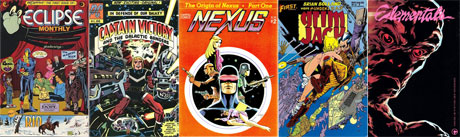
The chance for new start-up companies to offer different business models that offered creators the opportunity to retain ownership of their rights and to share in profit was perhaps the greatest opportunity that was derived by the creation of the Direct Market in comics. These virtues had already existed in the Underground Market but the opportunity to generate a more mainstream product and compete directly with Marvel and DC gave many creators new options. Companies like Eclipse, Pacific, Capital, First and Comico, generated creator owned lines of color comics in the eighties that set the foundation and the standards for future independent companies with similar creator values.
Today, the Internet and Digital forms of comic distribution are offering complete autonomy for creators as we demonstrate just one option in our collective cooperative here at CO2 Comics were creators own 100% of their properties. Because of the internet there are more comic artists in the world than ever before. Finding ways to successfully generate revenue remains a risky proposition but the opportunity to reap full benefit is now where many believe it belongs, in the hands of the creators.
As we all look toward the future of the Comics Industry I hope we remember the heavily licked wounds of the many creators that were retrospectively victimized by their lone Work-for-Hire option. The list of creators is long and sad but it can end with a simple choice not to work under those conditions, ever. If you do, expect no sympathy when you cry for additional merit compensation and fail to get it because your choice will have been an educated one that we all know the unfortunate answer to.
Making comics because I want to.
Gerry Giovinco

Tags: Capital, CO2 Comics, comico, Comics, comics industry, DC, DC Comics, Direct Market, Disney, Eclipse, First, Independent Comics, Jack Kirby, Kirby heirs, Marvel, NFL, Pacific, Superman, Underground Comics, Webcomics, Weekly Update, work-for-hire
This week's blog: Work for Hire Under Fire http://www.co2comics.com/blog/2011/08/01/work-for-hire-under-fire/ http://fb.me/1aZc5JnAg